

In the heart of Chicago, a quiet revolution is taking root—literally. Rooftop gardens are sprouting across the city Chicago’s Rooftop Gardens: A Green Revolution in Eco-Friendly Food Production , transforming urban spaces into vibrant hubs of eco-friendly food production. These innovative gardens are not only growing fresh fruits, vegetables, and herbs but also making use of recycled materials to promote sustainability. From old shipping containers to repurposed wooden pallets, Chicago’s rooftop gardens are proving that you don’t need sprawling farmland to grow food responsibly. This movement is reshaping how the city thinks about food, sustainability, and community.
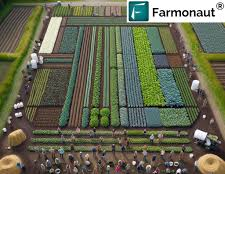
The Rise of Rooftop Gardens in Chicago
Chicago has long been a pioneer in urban innovation, and its rooftop gardens are no exception. With limited green space in the densely packed city, rooftops offer a creative solution to grow fresh produce while addressing environmental concerns. These gardens are popping up on restaurants, office buildings, schools, and even residential complexes, turning unused spaces into productive agricultural hubs.
The trend began gaining traction in the early 2000s when local businesses and community organizations saw the potential of rooftops. Today, Chicago boasts hundreds of rooftop gardens, with some estimates suggesting over 500,000 square feet of rooftop space dedicated to urban farming. These gardens are not just about aesthetics—they’re about producing food in a way that’s good for the planet and the people.

Why Rooftop Gardens Matter
Rooftop gardens are more than just a trendy way to grow food. They address several pressing issues in urban areas like Chicago:
- Food Security: Many Chicago neighborhoods, particularly in underserved areas, lack access to fresh, healthy food. Rooftop gardens bring locally grown produce directly to these communities, reducing reliance on distant farms and lowering transportation costs.
- Environmental Benefits: Urban farming reduces the carbon footprint associated with food production. By growing food locally, these gardens cut down on the emissions caused by shipping produce across the country. Plus, plants help absorb carbon dioxide and improve air quality.
- Community Engagement: Rooftop gardens often serve as gathering spaces for residents, fostering a sense of community. They provide opportunities for education, volunteering, and even job training in sustainable agriculture.
- Stormwater Management: Chicago’s flat rooftops are perfect for capturing rainwater. Green roofs with gardens can absorb up to 75% of rainwater, reducing the strain on the city’s sewer system and preventing flooding.
The Role of Recycled Materials
What makes Chicago’s rooftop gardens stand out is their creative use of recycled materials. Instead of relying on expensive, resource-heavy equipment, many gardeners are turning to repurposed items to keep costs low and sustainability high. Here’s how they’re doing it:
- Recycled Containers: Old shipping containers, wooden crates, and even discarded tires are being transformed into planters. These materials are durable, cost-effective, and prevent waste from ending up in landfills.
- Compost from Food Waste: Many rooftop gardens use compost made from food scraps collected from local restaurants and households. This not only reduces waste but also enriches the soil naturally, eliminating the need for chemical fertilizers.
- Repurposed Wood and Metal: Pallets, old furniture, and scrap metal are often used to build raised garden beds or trellises for climbing plants like tomatoes and beans. These structures are sturdy and give gardens a rustic, eco-friendly charm.
- Rainwater Harvesting Systems: Some gardens use recycled barrels to collect rainwater, which is then used to irrigate crops. This reduces water waste and ensures plants get the hydration they need without relying on municipal water supplies.
By using these materials, rooftop gardeners are proving that sustainability doesn’t have to be complicated or expensive. It’s about working with what’s available and thinking creatively.

Success Stories from Chicago’s Rooftop Gardens
Chicago’s rooftop garden movement is full of inspiring stories. Take, for example, The Roof Crop, a company that manages multiple rooftop farms across the city. They’ve turned the tops of commercial buildings into thriving farms that supply restaurants with fresh greens, herbs, and root vegetables. By using recycled materials like reclaimed wood for raised beds and compost from local cafes, The Roof Crop has created a closed-loop system that minimizes waste.
Another standout is Uncommon Ground, a restaurant in Chicago’s Lakeview neighborhood. Its rooftop garden, one of the first certified organic rooftop farms in the U.S., grows everything from kale to edible flowers. The restaurant uses recycled materials like old wine barrels for planters and has a composting program that turns food scraps into nutrient-rich soil. Diners can enjoy meals made with ingredients grown just a few feet above their heads, creating a farm-to-table experience like no other.
Nonprofits are also getting involved. Growing Home, a Chicago-based organization, operates rooftop gardens in underserved neighborhoods to provide fresh produce and job training. They use recycled materials like old gutters for planters and teach community members how to grow their own food sustainably. These efforts are empowering residents and strengthening local food systems.
Challenges and Solutions
While rooftop gardens are a game-changer, they’re not without challenges. Setting up a garden on a rooftop requires careful planning to ensure the building can support the weight of soil, plants, and water. Waterproofing and drainage systems are also critical to prevent leaks and structural damage. Fortunately, Chicago’s urban farmers are finding solutions:
- Lightweight Materials: To reduce weight, many gardeners use lightweight soil mixes and recycled plastic containers instead of heavy clay pots.
- Modular Systems: Modular planters made from recycled materials allow for easy setup and flexibility. If a garden needs to be moved or expanded, these systems make it simple.
- Community Partnerships: Organizations like the Chicago Botanic Garden offer workshops and resources to help new gardeners navigate the technical aspects of rooftop farming.
Another challenge is the upfront cost. While recycled materials keep expenses down, installing a rooftop garden can still be pricey. However, many projects are funded through grants, crowdfunding, or partnerships with local businesses. The long-term savings—lower food costs, reduced energy bills from better insulation, and increased property value—often outweigh the initial investment.
The Future of Rooftop Gardens in Chicago
The future looks bright for Chicago’s rooftop gardens. The city government has been supportive, offering incentives like tax breaks and grants for green roof projects. Mayor Brandon Johnson has emphasized sustainability as a key part of Chicago’s climate action plan, and rooftop gardens align perfectly with those goals.
Experts predict that the number of rooftop gardens will continue to grow, especially as more businesses and residents recognize their benefits. Innovations like vertical farming systems and hydroponics (growing plants without soil) are also being integrated into rooftop gardens, making them even more efficient.
There’s also a push to make rooftop gardens more accessible. Community organizations are working to bring these projects to low-income neighborhoods, ensuring that everyone can benefit from fresh, sustainable food. Schools are getting involved too, using rooftop gardens as outdoor classrooms to teach kids about science, nutrition, and environmental stewardship.
How You Can Get Involved
Want to join the rooftop garden movement? Here are a few ways to get started:
- Start Small: If you have access to a rooftop or balcony, try growing herbs or vegetables in recycled containers like old buckets or crates. It’s a low-cost way to dip your toes into urban farming.
- Volunteer: Organizations like The Roof Crop and Growing Home often need volunteers to help with planting, harvesting, and maintenance.
- Support Local: Dine at restaurants with rooftop gardens or buy produce from urban farms at local farmers’ markets.
- Advocate: Encourage your building manager or local government to support green roof initiatives. Every little bit helps!
A Greener, Tastier Chicago
Chicago’s rooftop gardens are more than just a trend—they’re a testament to the city’s creativity and commitment to sustainability. By using recycled materials and growing food locally, these gardens are reducing waste, fighting climate change, and bringing communities together. Whether it’s a restaurant serving hyper-local salads or a school teaching kids how to grow their own food, the impact of these urban oases is undeniable.
As more rooftops bloom with greenery, Chicago is setting an example for cities everywhere. It’s proof that with a little ingenuity and a lot of heart, we can grow a greener, healthier future—one rooftop at a time.
Must Read :- Hybrid Work Models Take Center Stage in 2025: How Google and Others Are Shaping the Future of Work