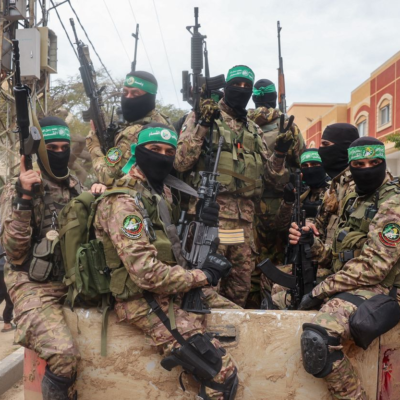

The Huckabee Hamas Ozempic comment has become the center of an intense diplomatic controversy, drawing worldwide criticism. United States Ambassador to Israel Mike Huckabee made the statement during an interview, suggesting that members of Hamas “could use some Ozempic” rather than receiving food aid. The remark, which many viewed as insensitive and dehumanizing, has sparked debate on diplomacy, humanitarian ethics, and the language used by public officials.
The Controversial Statement
During an appearance on Piers Morgan Uncensored on August 12, 2025, Huckabee criticized Hamas for manipulating humanitarian aid. While making his point, he stated that instead of receiving food, members of Hamas “could use some Ozempic.” Ozempic is a prescription drug used for weight loss and diabetes management. Using it as a reference in the context of a humanitarian crisis struck many as inappropriate and dismissive of the suffering in Gaza.
Huckabee’s tone suggested he intended to portray Hamas as undeserving of food aid, but critics argue that such a statement trivializes the severe food shortages and starvation impacting civilians in the region.
Humanitarian Concerns
The remark comes during a time when Gaza is experiencing one of its worst humanitarian crises. Millions of civilians face food insecurity, with limited access to clean water, electricity, and medical care. Human rights organizations have emphasized that aid should never be politicized or used to make derogatory points, especially in public forums.

Critics argue that Huckabee’s choice of words risks overshadowing the actual crisis and diverting attention from urgent relief efforts. They stress that humanitarian aid is meant for all people affected by conflict, regardless of political affiliation.
Political and Public Backlash
Huckabee’s comment was met with swift backlash both domestically and internationally. Human rights advocates, political analysts, and even some allies of the United States expressed concern over the ambassador’s rhetoric. Many argued that this type of language undermines diplomatic credibility and can damage relationships with global partners.
Social media was quick to react, with thousands of posts criticizing Huckabee’s insensitivity. Some commentators pointed out that in times of crisis, leaders are expected to show compassion, not make remarks that can be interpreted as mocking the suffering of others.
A Pattern of Provocative Statements
This is not the first time Huckabee has made headlines for controversial remarks. In previous speeches and interviews, he has made strong statements regarding the Israeli-Palestinian conflict. He has publicly denied Palestinian national identity and referred to the West Bank by its biblical name, “Judea and Samaria.” Earlier in August, he compared the situation in Gaza to the Allied bombing of Dresden during World War II, another comment that drew both criticism and support.
While Huckabee’s supporters argue that he is simply being candid and unapologetically direct, critics say this approach is counterproductive in the realm of international diplomacy.
The Diplomatic Impact
In the world of diplomacy, words carry significant weight. An ambassador’s role is to represent their country’s interests while maintaining dialogue and cooperation with other nations. Huckabee’s comment risks creating unnecessary tensions at a time when the region is already fragile.
Diplomatic experts suggest that inflammatory remarks could harm negotiations, delay humanitarian aid distribution, and create additional obstacles in peace talks. They also warn that such rhetoric can influence public opinion, potentially hardening positions on both sides of the conflict.
Media and International Coverage
The story quickly gained traction in international media, with headlines emphasizing the perceived insensitivity of Huckabee’s statement. Analysts debated whether the remark was an offhand joke or a calculated political message. Either way, the damage to public perception was done, and the conversation shifted from the humanitarian crisis to the controversy surrounding his words.
International outlets also highlighted the broader implications for U.S. foreign policy. The perception of insensitivity can weaken the United States’ position as a neutral mediator in peace processes.
Human Rights Groups Respond
Several humanitarian organizations released statements condemning the remark. They stressed that all parties in a conflict, regardless of political stance, must recognize the basic human right to food and medical care. Aid groups called for a focus on constructive solutions rather than inflammatory rhetoric.
Some organizations also expressed concern that Huckabee’s words could be used as propaganda, further fueling mistrust between opposing sides.
Political Reactions in the U.S.
In the United States, reactions were divided along political lines. Some Republican figures defended Huckabee, framing his statement as a blunt truth about Hamas’s actions and intentions. They argued that Hamas uses humanitarian aid for its own benefit rather than helping civilians.
Democrats and several independent politicians, however, condemned the remark. They stressed that in a diplomatic role, words should be carefully chosen to avoid alienating allies and undermining humanitarian goals.
The Role of Ozempic in the Controversy
Ozempic is a medication used primarily to treat type 2 diabetes and promote weight loss. It has become widely known due to celebrity endorsements and discussions about body image. By referencing the drug in a political context, Huckabee inadvertently connected a serious geopolitical issue to a trending topic in popular culture. For many, this further undermined the gravity of the situation.
Possible Next Steps
The controversy raises questions about how the U.S. government will handle the fallout. Possible outcomes include:
- A formal statement clarifying or walking back Huckabee’s remarks.
- Increased scrutiny of ambassadorial conduct and public comments.
- Diplomatic outreach to reassure allies of U.S. commitment to humanitarian principles.
Whether Huckabee will address the issue directly remains to be seen. The reaction from Washington could set a precedent for how similar incidents are handled in the future.
A Larger Conversation on Diplomacy and Rhetoric
This incident has also sparked a broader discussion on the responsibilities of diplomats in times of crisis. While free speech allows for candid remarks, the role of an ambassador requires balancing personal opinions with the strategic goals of their country. In conflict zones, words can either open doors to negotiation or close them entirely.
Analysts suggest that public officials should be mindful of how their statements may be perceived by multiple audiences, including those directly affected by conflict. In a region as sensitive as the Middle East, even a single phrase can have far-reaching consequences.
Conclusion
The Huckabee Hamas Ozempic comment has shifted global attention from the pressing humanitarian crisis in Gaza to a debate about diplomatic decorum. While Huckabee’s supporters defend his blunt approach as honest and unfiltered, critics argue that such language is dangerous in an already volatile situation. As the international community continues to grapple with the realities of conflict and aid, this controversy serves as a reminder that words matter — especially when spoken by those in positions of power.
Do Follow USA Glory On Instagram
Read Next – Barack Obama Portrait Moved from Public View in White House