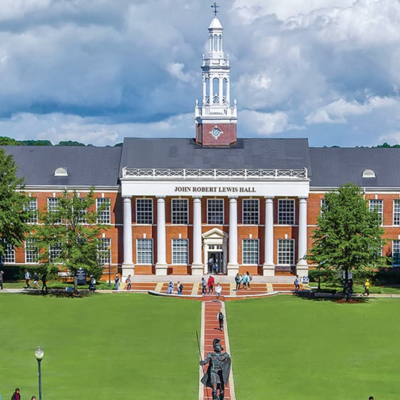

The question of whether the U.S. education system is failing its students is more important today than ever. Across the country, parents, educators, and students are voicing concerns about how well schools are preparing children for the future. While the U.S. spends more on education than most countries, many students still struggle with basic skills like reading, writing, and math.
This article explores the main challenges facing American schools, the reasons behind these issues, and what can be done to improve the system for future generations.
Signs the System Is Struggling
There are several warning signs that suggest the U.S. education system is not performing as it should:
- Declining test scores in reading and math
- Large gaps in achievement between students of different income levels and racial backgrounds
- Teacher shortages and high turnover rates
- Outdated teaching materials and curriculum
- High dropout rates in some communities
In international assessments, U.S. students often rank behind their peers in other developed countries. For example, in the most recent global education rankings, U.S. students performed in the middle of the pack for reading and science and were significantly lower in math.
These results raise important questions about what students are learning and whether schools are doing enough to prepare them for adult life.

Key Reasons Behind the Problem
Unequal Funding
One of the biggest challenges is the way public schools are funded in the U.S. Most school funding comes from local property taxes, which creates large differences between districts. Schools in wealthy neighborhoods often have better facilities, more resources, and higher-paid teachers. In contrast, schools in low-income areas may struggle with old buildings, outdated textbooks, and overcrowded classrooms.
This funding gap creates an uneven playing field. Children in underfunded schools are often at a disadvantage before they even begin.
Overemphasis on Standardized Testing
Since the early 2000s, the focus on standardized testing has shaped much of how schools operate. While testing can help track student progress, too much testing can have negative effects. Many teachers feel pressured to teach only what is on the test, rather than focusing on creativity, problem-solving, and deeper understanding.
Students, too, often feel stress and anxiety due to frequent testing. In some cases, subjects like art, music, and physical education are reduced or cut entirely to make room for test preparation.
Teacher Burnout and Low Pay
Teachers are the backbone of the education system, but many are overworked and underpaid. In recent years, there has been a growing teacher shortage in the U.S., especially in subjects like math, science, and special education. Many teachers report high levels of stress, long hours, and a lack of support from school leadership.
Low salaries make it harder to attract and keep good teachers. Some educators leave the profession entirely, leading to instability in schools and learning disruptions for students.
Outdated Curriculum
The modern world is changing quickly, but many U.S. classrooms still use old methods and materials. Skills like financial literacy, digital skills, communication, and emotional intelligence are becoming more important in today’s world. However, these topics are often missing from the curriculum.
Many students leave high school without the knowledge they need to succeed in college or the workplace. This gap between school and real life is one reason why so many struggle after graduation.
Are Students Learning What They Need?
Despite the high cost of education in the U.S., many students are not achieving basic academic goals. A large number of eighth graders do not meet grade-level expectations in reading and math. Even students who graduate from high school are not always ready for college-level work.
Community colleges report that many incoming students need to take remedial courses in math or English. This shows that even a high school diploma does not always mean a student is fully prepared.
Students are also not always taught essential life skills, such as how to manage money, apply for jobs, or understand mental health. These skills are often just as important as academic knowledge.
How Does the U.S. Compare to Other Countries?
Countries like Finland, Japan, and Canada consistently outperform the U.S. in global education rankings. One reason is that they treat teaching as a respected and well-paid profession. Teachers in these countries receive strong training, ongoing support, and the freedom to design lessons that fit their students’ needs.
In contrast, the U.S. system often relies on standardized policies that limit flexibility. Schools are expected to meet the same testing goals regardless of student needs or background.
Other countries also start education earlier and provide better access to early childhood programs. In the U.S., preschool is not always available or affordable for every family, which can put young learners at a disadvantage from the start.
Students Most Affected by the System
While the challenges affect all students, some groups are more vulnerable than others. Students from low-income families, students of color, English language learners, and children with disabilities often face additional barriers in school. These may include fewer resources, larger class sizes, and less experienced teachers.
These students are also more likely to attend underfunded schools and face challenges outside the classroom, such as food insecurity or housing problems. Without proper support, it becomes much harder for them to succeed in school.
Solutions to Improve the System
While the challenges are serious, there are several ways to improve the education system in the U.S.
Fairer School Funding
Policymakers can work to make school funding more equal, so that every child, regardless of where they live, has access to a quality education. This might mean using more state or federal money to support schools in low-income areas.
Reduce Focus on Testing
Schools should reduce the emphasis on standardized testing and use other ways to measure learning. These could include project-based learning, teacher observations, and student portfolios that show growth over time.

Support Teachers
Improving teacher pay and working conditions can help attract and retain skilled educators. Teachers also need access to training, classroom support, and manageable workloads to do their jobs well.
Modernize the Curriculum
Updating what is taught in schools can help students prepare for the future. This means adding more technology, life skills, and critical thinking to the curriculum. Students should learn how to solve real-world problems, not just memorize facts.
Improve Mental Health Support
Students’ emotional well-being plays a big role in how well they learn. Schools need more counselors, mental health professionals, and programs that teach coping skills and emotional awareness.
Involve Families and Communities
Learning doesn’t just happen in the classroom. Parents, caregivers, and communities all play a role in student success. Schools that work closely with families often see better results in attendance, behavior, and achievement.
Conclusion
So, is the U.S. education system failing its students? In many ways, yes. Too many children are falling behind, especially those from under-resourced communities. However, failure is not the end. It can be the start of a much-needed transformation.
With the right investments in teachers, curriculum, and student support, the system can be fixed. The goal should not just be higher test scores, but a better, fairer, and more effective way of learning for all students—no matter who they are or where they live.
Do Follow USA Glory On Instagram
Read Next – Top U.S. Restaurants With a View That Steal the Spotlight